
Creating a home office that feels both cozy and productive can make a big difference in your work-from-home experience. A well-designed space helps you stay focused and comfortable, reducing stress and boosting efficiency. Whether you have a dedicated room or a small corner, these tips can help you turn any area into an ideal workspace.
Choose the Right Location
Prioritize Natural Light
Natural light is one of the best elements for a home office. It helps reduce eye strain and improves mood. If possible, set up your desk near a window to enjoy daylight. Avoid placing your screen directly in front of or behind a window to prevent glare.
Minimize Distractions
Look for a quiet area away from household noise and high-traffic zones. A spot that feels separate from everyday living areas will help you maintain focus.
Invest in Comfortable Furniture
Select an Ergonomic Chair
Comfort is key for long hours at your desk. Choose a chair with good lumbar support, adjustable height, and breathable materials. Sitting comfortably helps prevent back pain and keeps you alert.
Use a Functional Desk
Your desk should be spacious enough to hold your computer, accessories, and notes without feeling cluttered. Consider desks with built-in storage or the option to add shelves.
Organize Your Workspace
Declutter Regularly
Keep only essential items on your desk to maintain a clean and inviting area. Regular decluttering prevents distractions and creates a sense of calm.
Use Storage Solutions
Shelves, drawers, and organizers help keep supplies tidy and within reach. Label containers and create zones for different items to streamline your workflow.
Personalize Your Space
Add Comforting Textures
Include soft elements like rugs, cushions, or a cozy throw blanket. These touches make your office feel inviting and reduce stiffness during breaks.
Incorporate Plants
Indoor plants add life and color to your workspace. They can improve air quality and create a calming atmosphere, which supports concentration.
Manage Lighting Effectively
Combine Ambient and Task Lighting
Use a mix of overhead lights and desk lamps to ensure your workspace is well-lit. Adjustable task lighting helps reduce eye strain during focused work.
Choose Warm Bulbs for Comfort
Warm light bulbs create a relaxed environment. Avoid harsh fluorescent lights that can feel clinical and tiring.
Establish a Work Routine
Designate Work Hours
Even at home, setting clear work times helps separate work from personal life. This structure can improve productivity and reduce burnout.
Take Regular Breaks
Stand up, stretch, or walk around every hour. Short breaks increase energy levels and prevent fatigue.
Minimize Technology Distractions
Manage Notifications
Turn off non-essential app notifications while working. This helps maintain concentration and prevents interruptions.
Use Wired or Reliable Wireless Connections
A stable internet connection is crucial to avoid frustration during virtual meetings or deadlines.
Enhance Your Environment with Sound
Use Background Music or White Noise
Soft music or white noise machines can drown out distracting sounds and improve focus.
Consider Noise-Canceling Headphones
If your home is noisy, investing in noise-canceling headphones can create a quiet bubble to concentrate.
Maintain Balance and Well-being
Create a Space Separate from Relaxation Areas
If possible, avoid working on the couch or bed. Having a separate workspace helps your mind switch between work and relaxation mode.
Include Elements That Inspire You
Pictures, motivational quotes, or artwork can uplift your mood and encourage creativity.
—
Designing a cozy and productive home office doesn’t require a big budget or a large space. By focusing on comfort, organization, and minimizing distractions, you can create a workspace where productivity and relaxation go hand in hand. Start with small changes today and enjoy a better workday from home.
Related Posts
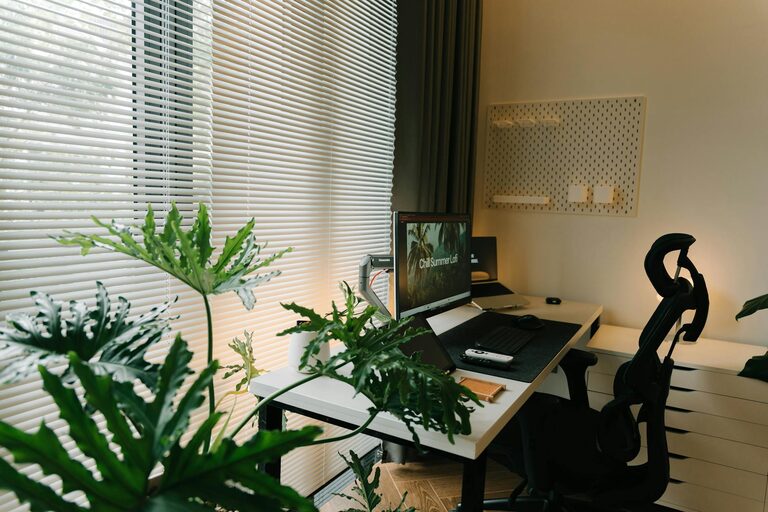
Tips for Creating a Relaxing and Productive Home Workspace
Creating a home workspace that is both relaxing and productive…

Tips for Creating a Cozy and Inviting Reading Nook at Home
Creating a cozy and inviting reading nook at home is…
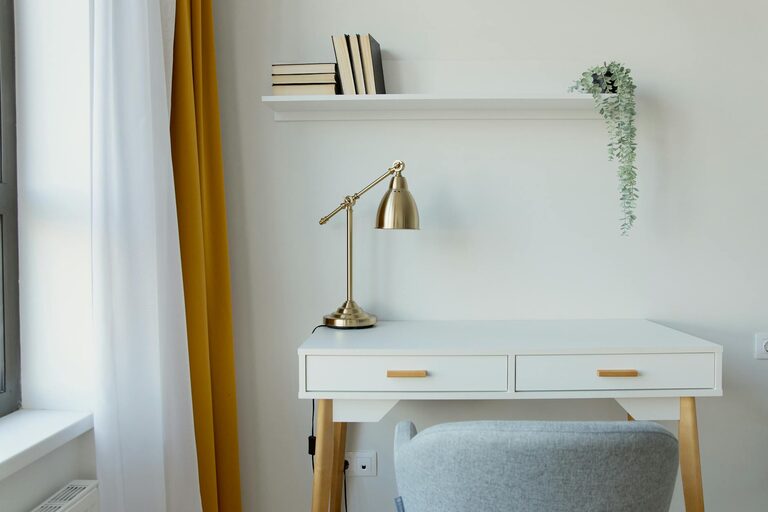
Tips for Creating a Cozy and Inviting Home Office Space
Creating a cozy and inviting home office can transform your…