
Creating a relaxing home office environment is essential for maintaining productivity and well-being when working from home. A space that combines comfort, organization, and calming elements can help reduce stress and improve focus. Whether you have a dedicated room or a small corner, these tips will guide you in designing a home office that feels both inviting and functional.
Choose the Right Location
The first step in creating a relaxing home office is selecting the right spot. Ideally, your workspace should be in a quiet area away from distractions like household traffic or noise. If possible, pick a space with natural light, which has been shown to improve mood and energy levels.
– Look for a corner with a window or good lighting.
– Avoid spaces near televisions or loud appliances.
– Consider noise-cancelling headphones if sound is unavoidable.
Optimize Lighting
Lighting can significantly affect your comfort and concentration. Natural daylight is best, but when that’s limited, choose warm, soft artificial lighting.
– Use a desk lamp with adjustable brightness.
– Avoid harsh fluorescent lights that cause eye strain.
– Position your desk to reduce glare on your computer screen.
Invest in Comfortable Furniture
Comfort is key to a relaxing workspace. Invest in an ergonomic chair that supports your back and encourages good posture. A desk at the right height also prevents unnecessary strain.
– Select a chair with adjustable height and lumbar support.
– Consider a standing desk or desk converter for variety.
– Keep frequently used items within easy reach to avoid overextension.
Incorporate Calming Colors and Decor
Colors can influence your mood. Soft, muted tones are generally more relaxing and less distracting.
– Choose wall colors like blues, greens, or gentle neutrals.
– Add plants for a touch of nature and improved air quality.
– Display artwork or photos that inspire calm and positivity.
Organize and Declutter
A cluttered desk can increase stress and reduce focus. Keeping your workspace tidy makes it easier to concentrate and enhances your work experience.
– Use organizers, trays, or drawers to store supplies.
– Regularly clear unnecessary items from your desk.
– Digitize documents when possible to reduce paper clutter.
Manage Technology Wisely
Technology is essential but can be overwhelming if not managed carefully.
– Use cable organizers to keep cords neat.
– Set up a dedicated charging station.
– Implement “do not disturb” modes during focused work periods.
Add Personal Comfort Touches
Small comforts can make your home office more inviting and relaxing.
– Have a cozy blanket or cushion for additional comfort.
– Keep a water bottle or tea nearby to stay hydrated.
– Use essential oil diffusers or scented candles (safely) with calming aromas like lavender.
Create a Routine for Work-Life Balance
Finally, a relaxing home office supports, rather than blurs, work-life boundaries.
– Designate specific work hours and stick to them.
– Take regular breaks away from your desk.
– End your day by tidying your workspace to mentally “close” the office.
Conclusion
Designing a relaxing home office is about more than aesthetics; it’s about creating a space that supports your productivity and well-being. By thoughtfully considering location, lighting, furniture, colors, organization, and personal touches, you can transform your home office into a sanctuary of calm and focus. Remember, small adjustments can make a big difference in how you feel and work throughout your day.
Related Posts
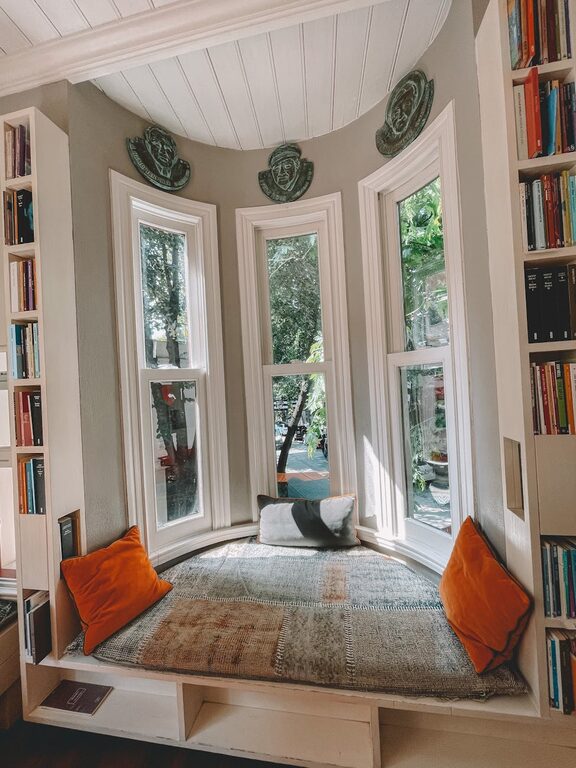
Simple Tips for Creating a Cozy Reading Nook at Home
Creating a cozy reading nook at home is a wonderful…

Tips for Creating a Cozy and Inviting Reading Nook at Home
Creating a cozy and inviting reading nook at home is…
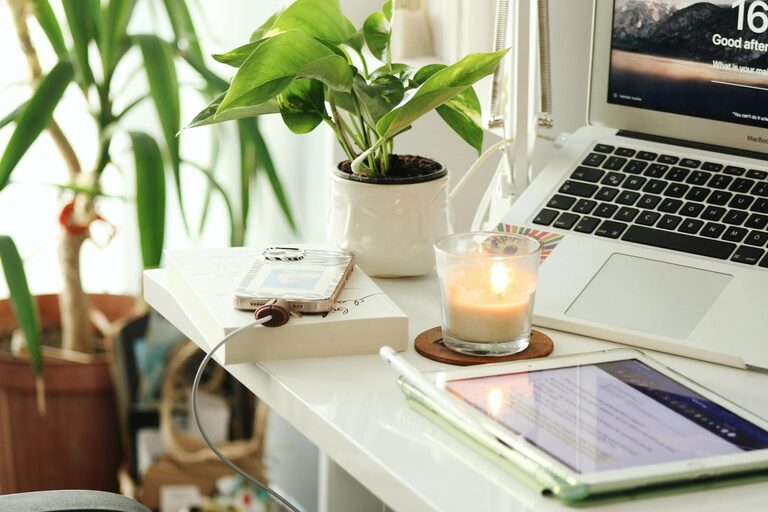
Tips for Creating a Cozy and Productive Home Office Space
Creating a home office that feels both cozy and productive…